
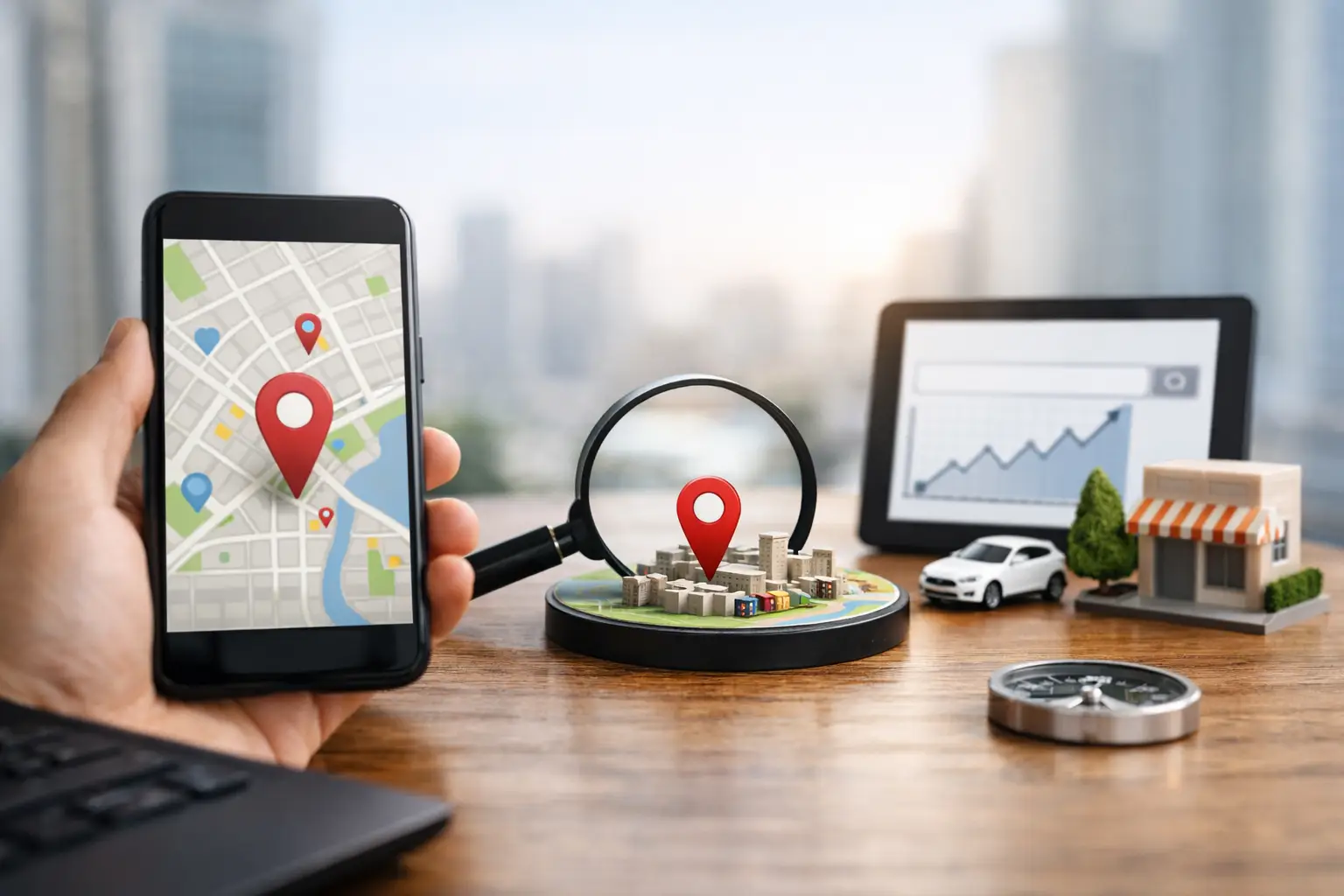
Most local SEO advice goes stale fast. What worked even 18 months ago – stuffing city names into pages, chasing weak directory links, publishing thin location content – is losing ground to signals that show real local relevance.
If you want a practical read on Local Business SEO Trends 2026, the big shift is simple: Google is getting better at separating businesses that are genuinely useful in a local market from businesses that are just optimized for search. That changes what deserves your time.
Local Business SEO Trends 2026: what is actually changing
The biggest changes are not flashy hacks. They are quality filters. Search engines are using stronger behavior signals, better entity understanding, and more context from reviews, business profiles, site content, and off-site mentions.
For small business owners, that means local SEO is becoming more connected. Your Google Business Profile, your website, your reviews, your service pages, your local content, and your brand mentions all need to tell the same story. If those pieces are inconsistent, rankings can wobble. If they reinforce each other, you have a stronger chance of showing up in the map pack and local organic results.
This is also where many businesses waste effort. They treat local SEO like a checklist instead of a system.
1. Google Business Profile is still the center of local visibility
A fully built website still matters, but your Google Business Profile often creates the first impression and sometimes gets the first click, call, or direction request.
In 2026, profile completeness is just the baseline. The stronger advantage comes from activity and precision. Businesses that regularly update services, photos, posts, business descriptions, categories, and Q&A sections tend to send fresher relevance signals. You do not need to update everything every week, but you do need a profile that looks maintained.
Accuracy matters more than volume. Adding the wrong category or stuffing descriptions with keywords can create noise instead of clarity.
2. Reviews are becoming content, not just social proof
Reviews have always mattered, but now they do more than build trust. They also help search platforms understand what you do, where you do it, and what customers associate with your business.
That means a review saying, “Fast emergency plumbing repair in Phoenix” is more useful than “Great service.” You should never script fake reviews, but you can guide customers with smarter prompts. Ask what service they used, what problem was solved, and what area they are in.
Responding to reviews matters too. A short, natural reply that references the service provided can reinforce relevance. This is one reason structured prompt systems can save time. If your team needs help generating useful messaging ideas, resources like 15 Marketing Strategy Prompts That Work can help you build better workflows without overcomplicating the process.
3. Thin location pages are losing value
Many businesses still create near-duplicate pages for every city in a region. That tactic is getting weaker unless each page has original value.
A useful local page should reflect the actual market. That can include service differences by area, local customer problems, neighborhood-specific logistics, case examples, FAQs, or proof that you truly serve that location.
If you serve 10 nearby towns, you do not need 10 weak pages. You need the right pages with enough depth to deserve ranking.
4. AI search is increasing the value of clear entity signals
As AI-generated search experiences continue to shape discovery, local businesses need stronger consistency across the web. Your business name, address, phone number, website, service list, business category, and brand description should align everywhere they appear.
This does not mean you need to obsess over every old directory listing. It does mean your core profiles, main citations, website schema, and public-facing business details should match.
AI systems pull from multiple sources. If your business data is fragmented, your visibility can be too.
5. Local content needs to be useful, not performative
Publishing blog posts just to mention a city is not a growth plan. Useful local content answers real questions buyers ask before they contact you.
That could mean writing about local regulations, seasonal buying patterns, common service mistakes, pricing variables in your region, or how to choose the right provider in your area. This type of content supports trust and organic search at the same time.
For solo operators and small teams, this is good news. You do not need a giant content calendar. You need a short list of pages that help buyers make decisions.
6. Behavioral signals are harder to ignore
Clicks, calls, direction requests, time on page, and repeat search behavior all help search engines estimate usefulness. You cannot directly control every signal, but you can influence them by improving the experience after the click.
If your page loads slowly, hides key information, or makes users hunt for contact details, rankings may not hold even if you initially show up. Local SEO is now tightly connected to conversion basics: clear service pages, obvious next steps, trust signals, and mobile-first design.
7. Small brands can still win with focused authority
You do not need to outpublish national competitors. You need to be the clearest, most relevant option in your service area.
That usually means narrowing your positioning, tightening your pages, improving review quality, and keeping your profile data clean. For many small businesses, better execution beats bigger budgets.
That is the real takeaway from Local Business SEO Trends 2026. The advantage is shifting toward businesses that communicate clearly, prove local relevance, and maintain consistent digital signals over time. If your strategy has felt scattered, this is a good year to simplify it. Build fewer assets, make them stronger, and apply what you learn.













0 Comments