
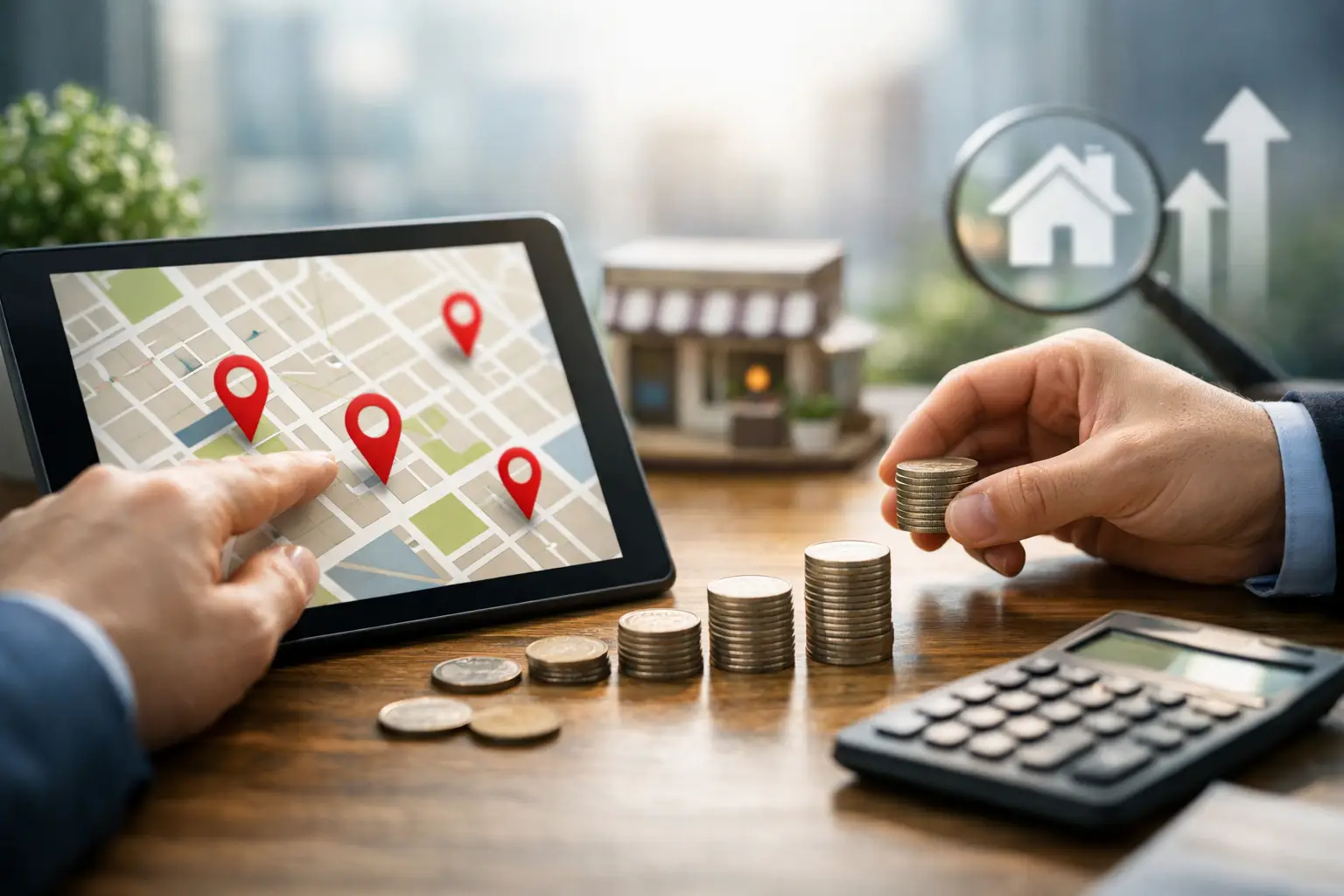
A local customer searches for exactly what you sell, a few miles from your business, and your competitor appears first. That gap is where revenue disappears. To improve local visibility, you do not need to be everywhere or spend heavily on ads. You need to make it easy for search engines and real people to understand what you offer, where you offer it, and why they should choose you.
For a service business, local visibility often means more calls, appointments, estimate requests, and walk-in traffic. For a consultant, freelancer, or home-based provider, it can mean a steadier pipeline from the cities and neighborhoods you serve. The work is less about chasing a clever marketing trick and more about building clear, consistent local signals.
Start With the Local Search Journey
People rarely search for a business in the same way they browse social media. They have a need, a location, and usually a short list of options. A search for “emergency plumber near me” has a different intent from a search for “how to fix a leaking faucet.” The first person is ready to contact someone. The second may be looking for information.
Your local marketing should prioritize high-intent searches first. Write down the services that create the most value for your business, then pair them with the places you actually serve. A photographer may target family portraits in a specific city. A marketing consultant may target small businesses across several nearby suburbs. A restaurant may focus on its neighborhood, nearby landmarks, and relevant dining occasions.
Be realistic about your service area. Claiming every city in a large metro area can make your messaging vague and create a poor experience for people outside your practical range. Focus on the locations where you can respond quickly, deliver consistently, and build a reputation.
Improve Local Visibility Through Your Business Profile
Your Google Business Profile is often the first impression a local prospect gets. Treat it as an active sales asset, not a listing you set up once and forget.
Begin with the fundamentals: your business name, primary category, phone number, website, hours, address or service area, and service details should be accurate. Use the same core business information across major directories and social profiles. Small inconsistencies, such as an old phone number or different business name format, create confusion for customers and weaken trust.
Choose categories carefully. Your primary category should describe your main revenue-generating service, not a broad label that sounds impressive. Secondary categories can add useful context, but only when they are genuinely relevant. A business that offers lawn care, for example, should not select unrelated home-service categories simply to appear in more searches.
Add current photos that help someone decide to contact you. Show your workspace, team, completed work, products, vehicles, menu items, or before-and-after results where appropriate. Generic stock images do not provide the same confidence as proof that your business is real, active, and professional.
Use the business description to explain who you help, what you do, and where you work in plain language. Do not cram it with repeated city names or keywords. Customers should be able to understand your offer in seconds.
Make Reviews Part of Operations
Reviews influence both visibility and conversion. A business with strong ratings, recent feedback, and thoughtful responses has a credibility advantage before a prospect ever visits its site.
The best time to request a review is shortly after a positive result. Build the request into your normal workflow: after completing a project, delivering an order, closing a support ticket, or receiving a verbal compliment. Keep the ask simple and honest. Do not offer incentives in exchange for positive feedback, and do not pressure customers to write a specific type of review.
Respond to reviews consistently, including critical ones. A short, professional reply shows future customers that you pay attention. If a complaint is legitimate, acknowledge the concern and offer a practical next step. Public arguments almost never help.
Build Location Pages That Earn Their Place
A single generic services page is rarely enough when you serve multiple locations. Useful location pages give each audience a clear reason to believe you work in their area and understand their needs.
A strong page should include the service, the location, proof of experience, practical details, and a clear next action. For example, a bookkeeping firm serving Austin and Round Rock may create distinct pages that explain the types of businesses it supports in each area, its onboarding process, and how clients can get started.
Avoid copying the same page and swapping out city names. Search engines can recognize thin, repetitive pages, and visitors can too. Each page should offer something specific: local project examples, neighborhood coverage, local regulations that affect the service, common customer questions, testimonials, or travel information.
If you only serve one physical location, you may not need a large set of city pages. In that case, a well-developed service page, accurate business profile, local reviews, and community relevance can do more than a pile of weak pages.
Put Local Proof on Your Website
Local proof reduces uncertainty. It tells prospects that other people nearby have trusted you and received a result.
Add testimonials that mention the type of project or customer situation when permission allows. Publish case studies with specific outcomes rather than vague praise. Include photos from real work, team bios that establish local expertise, and straightforward service-area information.
Also check the basics that quietly affect performance. Your site should load quickly on mobile, make phone numbers easy to tap, and place contact options where visitors can find them without hunting. Local traffic is often urgent. If someone cannot contact you in a few seconds, they may return to the search results and call the next business.
Create Community Signals Beyond Your Website
Local visibility is not limited to your own channels. Mentions from credible local organizations, partners, publications, event pages, and business groups can strengthen awareness and send qualified traffic.
The most useful approach is participation, not manufactured publicity. Sponsor an event only if it reaches the right audience. Partner with complementary businesses when both sides can create real value. Offer a practical workshop, contribute expertise to a local organization, or support a community initiative that fits your brand.
A freelance designer might collaborate with a local print shop. A fitness coach could run a short session for a nearby employer. A home-services company might publish seasonal advice tailored to regional weather patterns. These efforts work because they create genuine reasons for people to talk about your business.
Social media can support this work, especially when you post local projects, event participation, customer stories, and useful area-specific tips. But do not mistake engagement for demand. A post with likes that produces no calls or leads is not necessarily a growth asset. Use social content to reinforce trust and stay visible, then measure whether it contributes to business outcomes.
Track What Produces Calls, Not Just Rankings
Rankings fluctuate by location, device, search history, and competition. Checking your position from your own laptop can give you a misleading picture. Track results, but do not let a ranking report become the whole strategy.
Watch the metrics that connect to revenue: profile calls, direction requests, website visits, form submissions, booked appointments, and qualified leads. Ask new customers how they found you, then record the answer in a simple spreadsheet or customer relationship system. Over time, patterns become clear.
Review your local visibility plan monthly. Look for missing information, unanswered reviews, pages that need stronger proof, and services or locations that are generating interest. Then choose one improvement to implement well instead of starting ten incomplete projects.
A Practical 30-Day Starting Point
If your local marketing feels scattered, use the next month to establish a reliable baseline:
- Week one: audit your Google Business Profile, contact details, categories, hours, and service area.
- Week two: create a simple review request process and respond to every outstanding review.
- Week three: improve your highest-value service page with local proof, clear calls to action, and mobile-friendly contact options.
- Week four: identify one community partnership, local event, or useful content opportunity that reaches your ideal customer.
This plan will not make every competitor disappear overnight. It will give your business a clearer foundation than random posting, occasional promotions, and incomplete listings. Once that foundation is in place, you can add more location pages, content, partnerships, or paid campaigns based on what the data shows.
Local visibility grows when your business is easy to find, easy to trust, and easy to contact. Focus on those three outcomes, apply what you learn consistently, and your marketing starts doing more of the work before a prospect ever reaches out.












0 Comments