
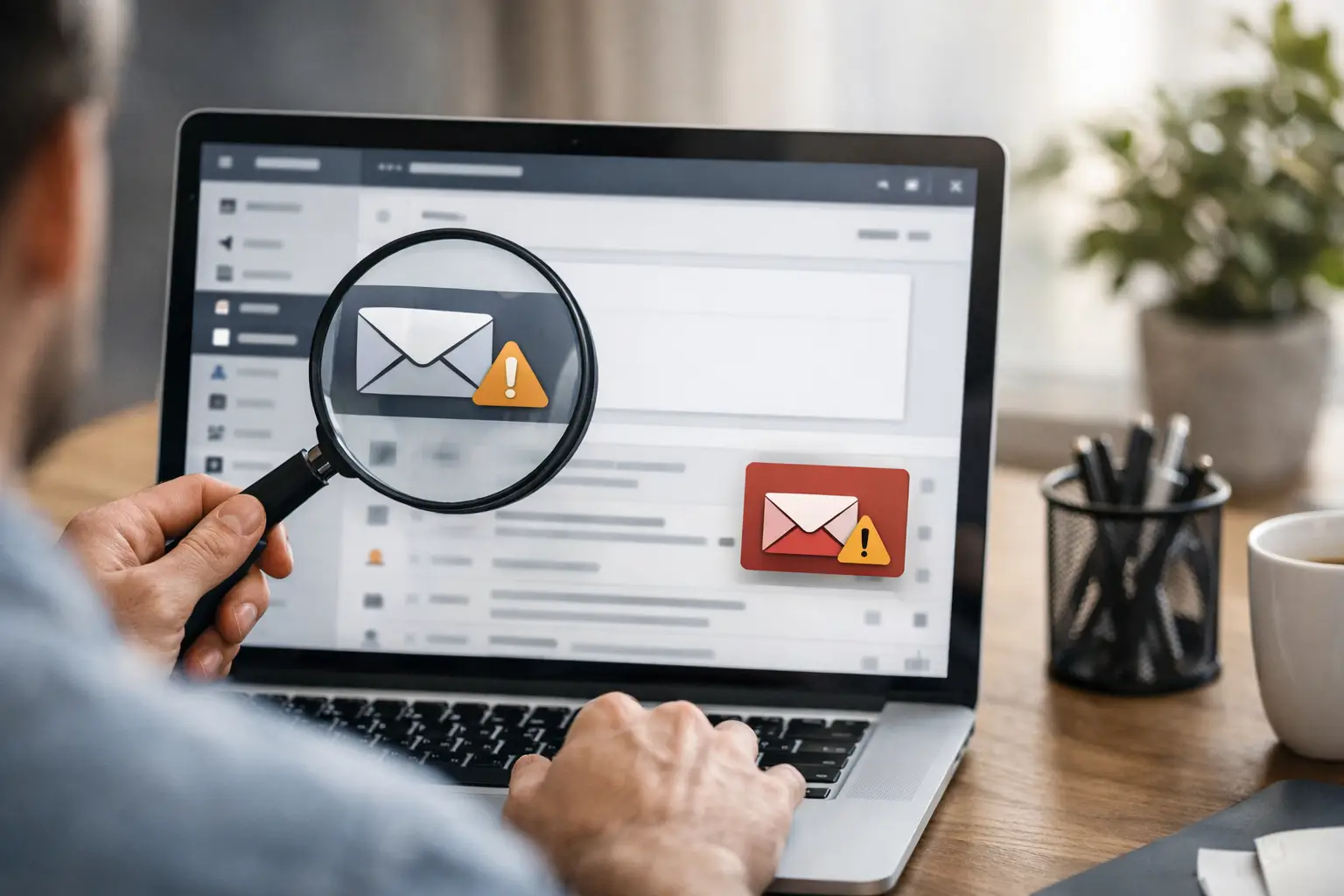
Missing one email can slow down a sale, delay a client reply, or keep you from accessing a course, invoice, or password reset. If you’ve ever thought, E-Mail nicht bekommen?? Spam-Ordner beachten!, you’re already looking in the right direction. A surprising number of legitimate emails never make it to the main inbox, and the reason is usually more boring than dramatic: filters, folder rules, sender reputation, or a small typo.
For small business owners, freelancers, and marketers, this matters more than it seems. Email is still the backbone of client communication, account access, lead follow-up, and purchase delivery. When a message goes missing, it creates friction fast. The good news is that most email delivery problems are fixable once you know where to check.
Why emails go missing in the first place
Most people assume a missing email was never sent. Sometimes that’s true, but often the message was sent and then routed somewhere unexpected. Spam filters are the most common reason. Email providers scan incoming messages for patterns that look risky, promotional, or automated. Even legitimate emails can get flagged if the subject line is unusual, the sender domain is new, or the message includes attachments, links, or formatting that triggers filters.
Another common issue is inbox organization. Gmail, Outlook, Yahoo, and Apple Mail all sort messages differently. A message may land in Promotions, Updates, Junk, Archive, Social, or a custom folder instead of the primary inbox. If you use filters or rules, the email might have been moved automatically without you noticing.
Then there’s human error. The sender may have used the wrong email address. You may have signed up with an old address, entered a typo during checkout, or forgotten which inbox you used for a purchase. This happens constantly with digital products, newsletters, and login credentials.
First checks that save time
Before assuming the system failed, run a quick practical check. Start with the Spam or Junk folder. Don’t just glance at it. Open it and search for the sender name, business name, or key terms from the expected email, like “invoice,” “access,” “confirmation,” or “reset.” Some providers hide emails in spam even if they look perfectly normal.
Next, use the search bar across your entire mailbox. Search by the sender’s address if you have it. If not, search by brand name, order number, or a phrase likely to appear in the message. Search is often faster than manually checking folders.
After that, check your Promotions, Updates, Social, Archive, and Trash folders. In Outlook, also review Clutter or Focused Inbox settings if applicable. In Gmail, look across All Mail, not just the inbox. Messages can exist in your account without appearing where you expect.
If you still can’t find it, confirm you’re checking the right email account. This sounds basic, but it’s one of the biggest causes of support requests. Many people have a personal email, business email, older Gmail account, and maybe an Apple relay address from sign-ins. The email may have gone to a different inbox than the one you’re currently using.
What to do if the email is in spam
If you find the email in spam, mark it as “Not Spam” or move it into your inbox. This tells your provider the message was legitimate. It won’t solve every future delivery issue, but it improves the odds.
You should also add the sender to your contacts or safe sender list. That simple step helps with future account emails, onboarding messages, course access links, receipts, and follow-up replies. For anyone buying digital products or working with multiple tools, this is one of the easiest ways to reduce friction.
There’s one caveat here: adding a sender to contacts helps, but it is not a guarantee. If your email provider has strict filtering or the sender’s domain has a weak reputation, some emails may still be redirected. That’s why it helps to combine this with regular folder checks when you’re expecting something important.
When the email was never delivered at all
Sometimes the email really was not delivered. In that case, the issue usually sits on one of three sides: the sender, the recipient, or the email system between them.
On the sender side, they may have entered the wrong address, had a sending error, or used an email platform with poor deliverability. Automated emails are especially vulnerable. A business might send thousands of messages through a tool, and some get blocked because of domain settings, authentication problems, or spam complaints.
On the recipient side, your mailbox may be full, your provider may have blocked the sender, or your custom filters may be too aggressive. Business emails tied to custom domains can also have stricter server rules than free Gmail or Outlook accounts.
In the middle, email providers make judgment calls constantly. They may delay, quarantine, reroute, or reject a message based on risk scoring. This is frustrating, but it’s normal. Email is not a perfect delivery channel, especially for time-sensitive actions.
If you run a business, this affects your customers too
This topic is not just about receiving email. It’s also about protecting your own operations. If customers do not receive order confirmations, lead magnet links, invoices, onboarding emails, or consultation replies, trust drops quickly. They may assume your business is disorganized when the real problem is deliverability.
That means you need a system, not just a hope that email works. If you sell digital products, provide client services, or send automated workflows, make it easy for people to recover when a message goes missing. Tell them to check spam. Tell them which sender address to look for. Tell them to search by subject line or brand name. Give them a backup contact method when possible.
This is where practical communication beats fancy automation. A simple note during checkout or signup can prevent a lot of support tickets. Something as direct as “If you don’t see our email in 10 minutes, check Spam, Promotions, and All Mail” can save both sides time.
A simple troubleshooting workflow that actually works
When an expected email does not arrive, move through the problem in order. First, confirm the email was supposed to be sent and that enough time has passed. Some systems send instantly, while others delay based on verification steps or payment processing.
Second, search all folders using the sender name, address, and likely keywords. Third, check whether you used the correct email address when signing up or making a purchase. Fourth, look for typo issues, especially with domain endings like .com, .net, or .co.
Fifth, if you’re the recipient, whitelist the sender and ask for a resend. If you’re the sender, verify the address and resend manually if needed. Sixth, if the issue continues, try an alternate email address. This is often the fastest fix when a specific provider is blocking or filtering messages too aggressively.
This workflow is simple, but that’s why it works. You do not need advanced technical knowledge to solve most missing email problems. You need a repeatable process.
How to reduce future email problems
If important messages regularly disappear, take a few preventive steps. Keep your inbox organized, but avoid overcomplicated filter rules unless you review them often. Add important senders to contacts before you need them. Use one main email address for purchases, client work, and account access instead of scattering activity across multiple inboxes.
For business owners, use clear subject lines and recognizable sender names. Avoid weird formatting, misleading subject copy, or attachment-heavy first-contact emails. If your message is important, say so plainly. Transactional emails should look transactional, not like promotional blasts.
It also helps to think beyond email for critical communication. If a customer needs immediate access, consider pairing email with an on-screen confirmation, download page, or account dashboard. Email is useful, but it should not always be the only path.
But don’t stop there
Checking spam is step one, not the whole fix. Missing emails can also hide in promotions tabs, filtered folders, archived mail, or the wrong account entirely. For business users, the bigger lesson is operational: any process that depends on email should include a backup check and a clear recovery path.
That mindset saves time, protects sales, and reduces unnecessary support problems. It also keeps small issues from turning into bigger ones. Whether you’re waiting on a receipt, client message, course login, or password reset, the smartest move is to troubleshoot calmly and systematically.
Most of the time, the email is not truly gone. It’s just somewhere you haven’t checked yet.













0 Comments